When helicopters become a lifeline

eart c cair luftrettung himalaya

Airborne aid for remote mountain regions

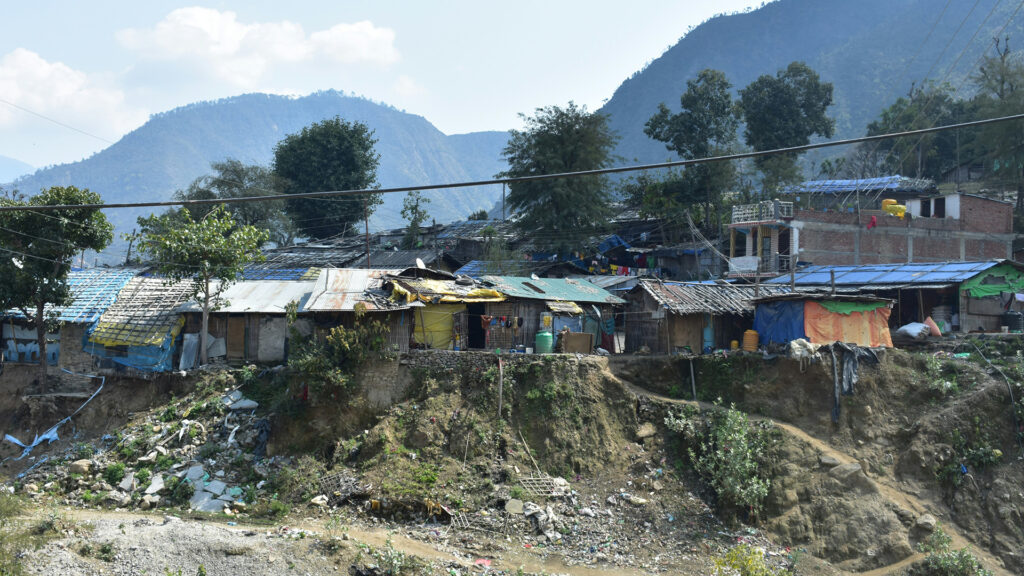
People who live in a town can usually access medical care within a short time. In the remote mountainous regions of Nepal, the reality is quite different. Many villages can only be reached via narrow footpaths. During the rainy season, paths are cut off by landslides and entire regions can be cut off from the outside world. In such situations, helicopters become a lifeline.

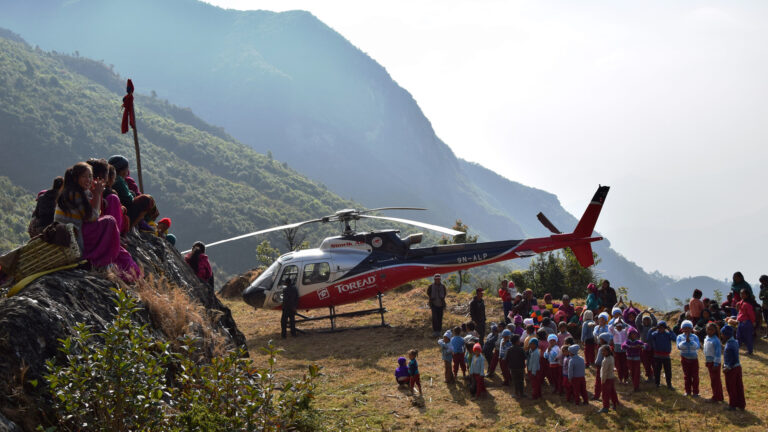
Whether in the case of serious injuries, medical emergencies or natural disasters: air rescue provides rapid assistance where other means of transport fail. For many people, it is the only chance to reach a hospital or medical facility in time.

However, these operations put enormous strain on pilots and rescue crews. The high altitude, changing weather conditions and challenging terrain demand the utmost concentration and a great deal of experience. Every operation must be carefully planned.

For many years, Earth C-Air has therefore been supporting the training of pilots, flight assistants and rescue workers in Nepal. The aim is to strengthen the local teams and equip them with the knowledge they need to carry out safe and professional operations.

Air rescue does more than just connect people with medical care. It connects hope with practical help. For many families in the Himalayas, the sound of a helicopter means that help is on its way.

Where roads end, the work of the air rescue service often begins.

Ähnliche Beiträge

Aus einer Hilfsaktion wird eine Bewegung

A relief effort gave rise to a movement. When a severe earthquake struck Nepal on 25 April 2015, the lives of millions of people were changed in a matter of seconds. Houses...

Es fängt mit Eigenverantwortung an

A relief effort gave rise to a movement. Anyone wishing to promote sustainable development must do more than simply solve short-term problems. That is precisely why, ever since its foundation, Earth C Air has been pursuing the...